Accommodation & guest nights
Couples and guests travelling to Ireland need somewhere to stay. The opportunity extends beyond the host venue to nearby hotels, guesthouses and other accommodation, where additional nights are genuinely generated.
Ireland · International tourism · Regional enterprise
One celebration. A wider economic story.
International couples and their guests connect Ireland’s places, hospitality and skilled wedding businesses with the global visitor economy.
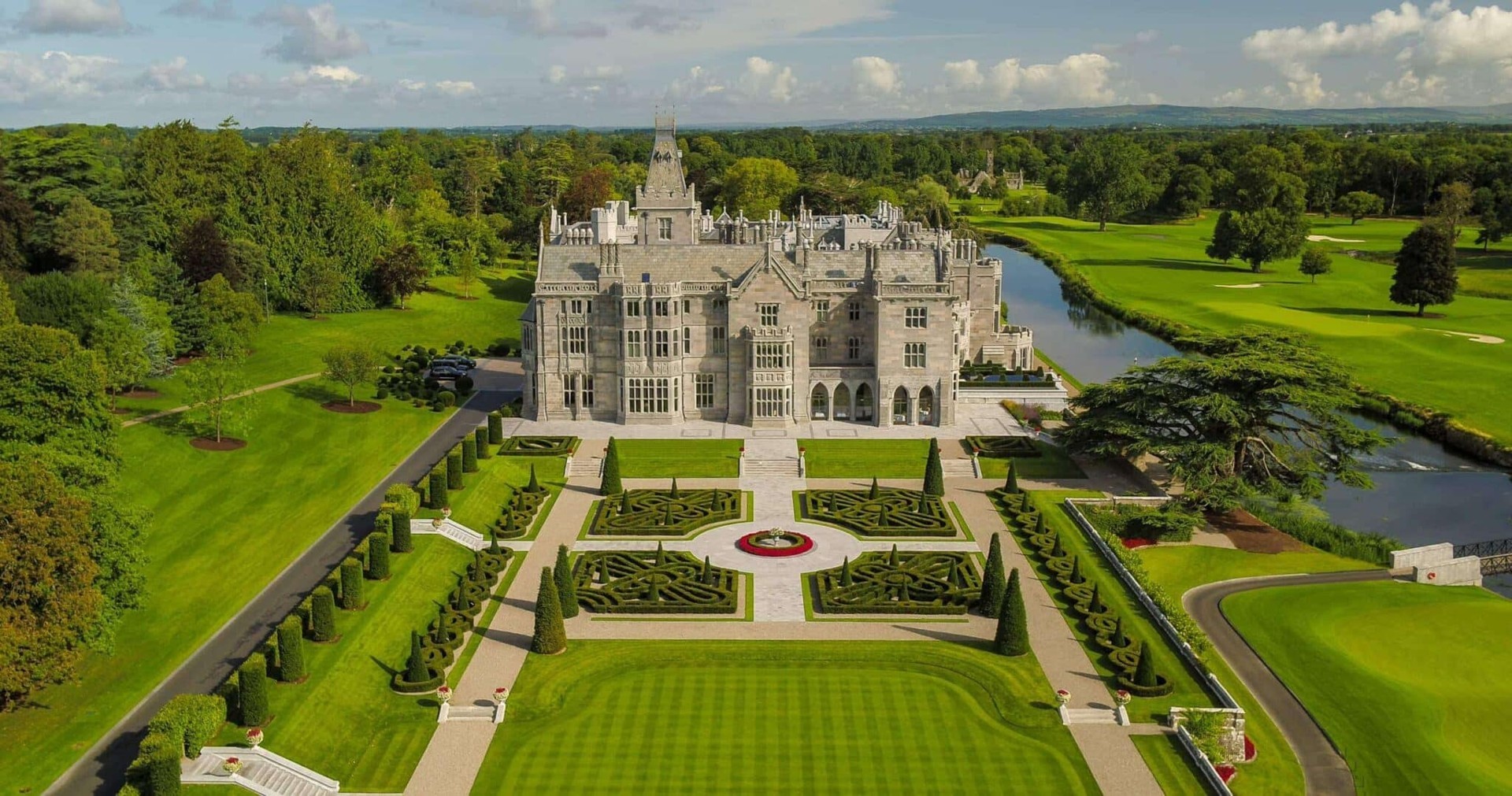
Image: Adare Manor · Official galleryThe industry perspective
For this discussion, an inbound destination wedding means a celebration hosted in Ireland that brings a couple or guests here from abroad. It is different from an Irish-resident couple marrying overseas.
The event can link a single venue with a much wider network of accommodation, creative services, food suppliers, transport and visitor experiences. Its value needs to be understood across that network—not only through the wedding-day bill.
IWIF’s role is to represent the businesses behind this activity, encourage informed policy and help build credible evidence. It is not to act as a wedding planner, booking agent or venue marketplace.
Where the value flows
The economic opportunity lies in spending that reaches Irish businesses before, during and after the wedding.
Couples and guests travelling to Ireland need somewhere to stay. The opportunity extends beyond the host venue to nearby hotels, guesthouses and other accommodation, where additional nights are genuinely generated.
Welcome dinners, receptions and gatherings can create business for restaurants, caterers and bars. Local purchasing can extend that activity to food producers, growers and specialist suppliers.
Photography, film, floristry, music, styling, beauty, celebrancy and event production are professional services. Their contribution belongs in the economic picture alongside venue and accommodation revenue.
Transfers, local transport, guided visits, attractions and retail can benefit when guests explore beyond the wedding. Extra spending must be measured rather than assumed.
Destination celebrations can bring demand to businesses outside the main cities. The value depends on local procurement, retained revenue and the quality of employment—not simply the size of a guest list.
Longer stays, coordinated transport and thoughtful local sourcing can improve the shape of demand. Season extension and environmental benefits are opportunities to test, not outcomes to claim without evidence.
Beyond the wedding day
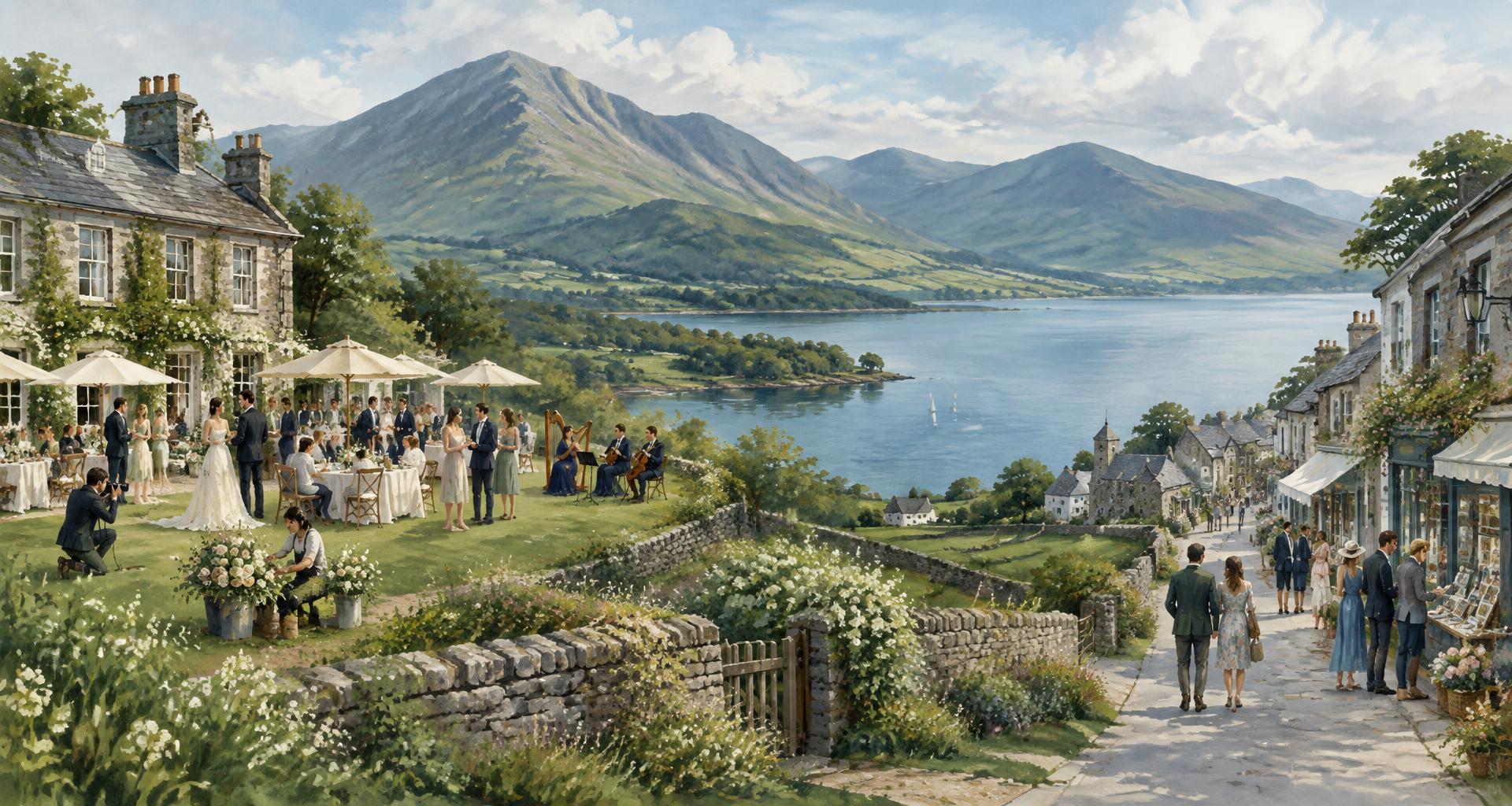
A welcome gathering, a shared meal or a few days exploring Ireland can extend a celebration into a broader visitor experience. Guests may encounter Irish food, heritage, landscapes and local culture through the wedding journey.
Those additional nights and experiences are economically meaningful when they are genuinely attributable to the trip. They should not be counted twice or assumed for every guest.
The strongest destination-wedding offer connects capable local businesses, distinctive places and well-managed hospitality—not just a beautiful backdrop.
Evidence, not estimates
Tourism Ireland explicitly includes destination weddings within its international romance-travel activity. That recognises the opportunity; it does not establish a national wedding-specific revenue figure.
CSO inbound tourism statistics and Fáilte Ireland research provide a wider tourism context. General visitor spending, tourism employment or total Irish wedding expenditure must not be presented as the value of inbound destination weddings.
The sources referenced here do not establish a comprehensive destination-wedding total for Ireland. IWIF does not present an unsupported euro value, guest total, employment figure or economic multiplier.
Tourism Ireland: international romance travelThe places behind the proposition
Six distinctive examples of Irish hospitality, wedding settings and regional enterprise—from country estates to lakeside hotels.
Editorial examples, not a ranking or a booking directory. Inclusion does not imply IWIF membership, endorsement or a commercial partnership. Photographs are sourced from the venues’ official websites.
Adare, Co. Limerick
A manor-house setting connecting an international celebration with the hospitality and visitor economy of Adare and the wider Mid-West.
Image: Adare Manor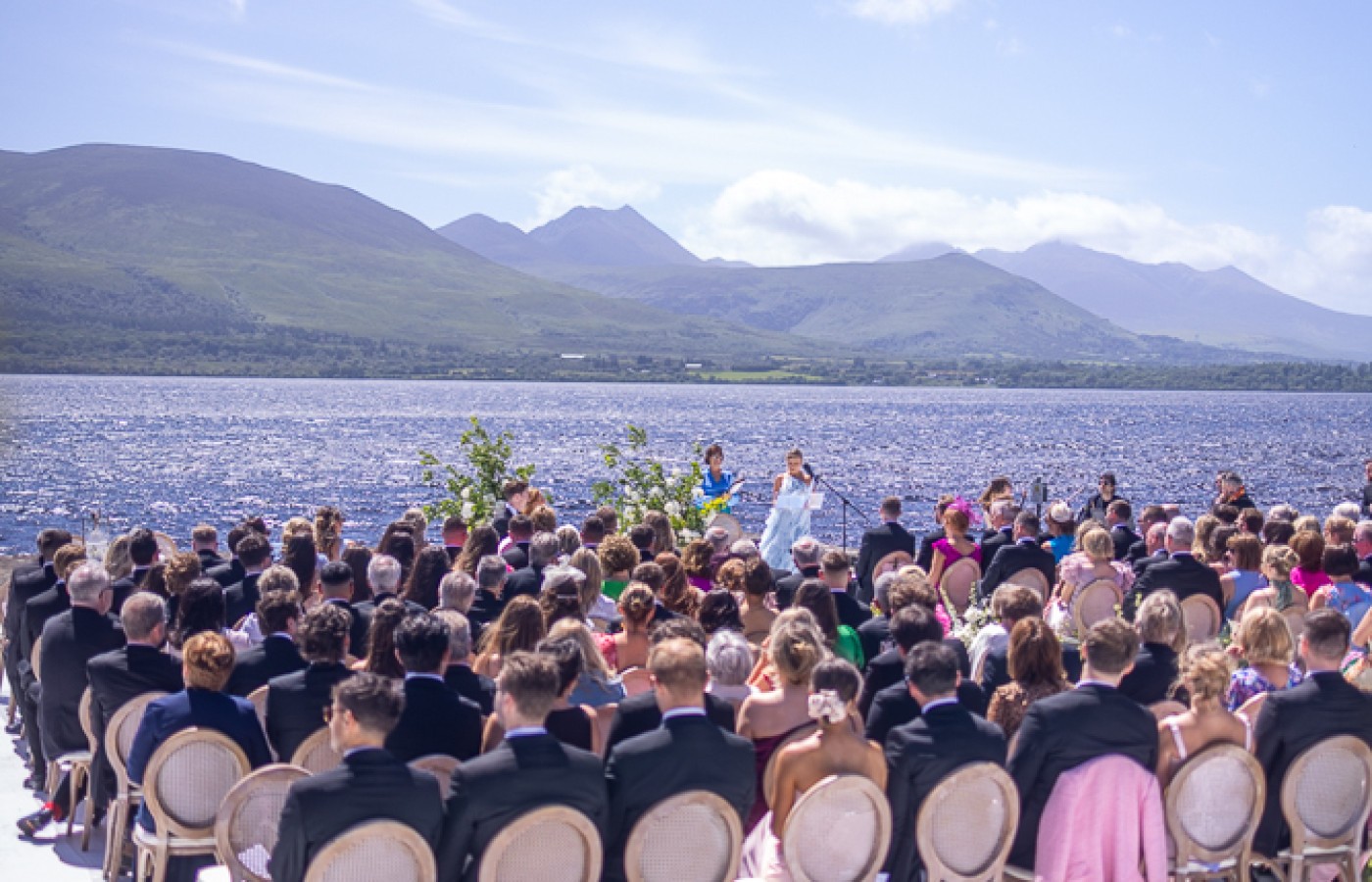
Killarney, Co. Kerry
A lakeside wedding setting illustrating the connection between celebrations, accommodation and the wider Killarney visitor experience.
The Europe Hotel & Resort / Joe Loftus Media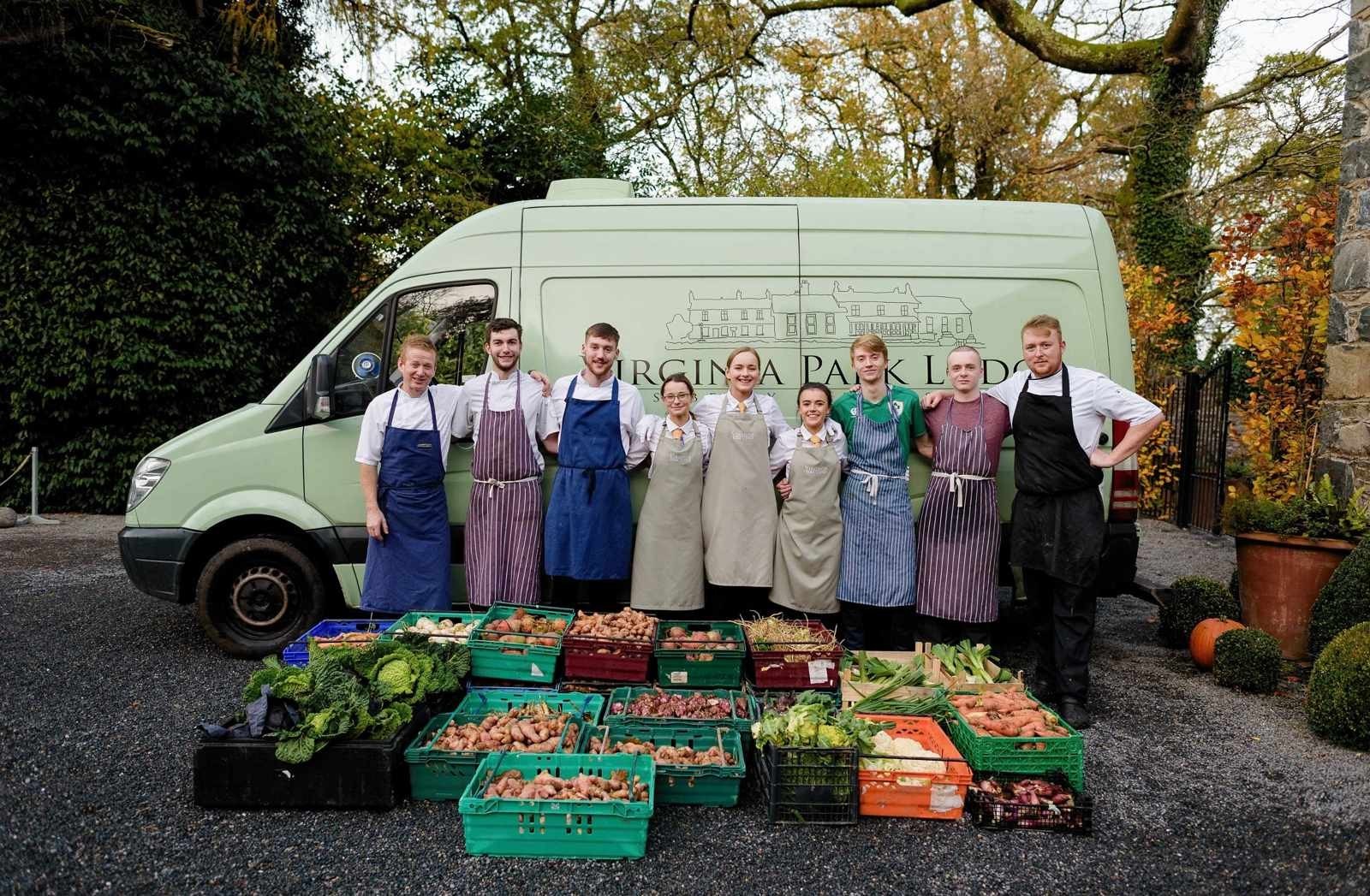
Virginia, Co. Cavan
An estate-led hospitality setting in Cavan. Its food and events team brings the people and produce behind a destination celebration into focus.
Image: Virginia Park Lodge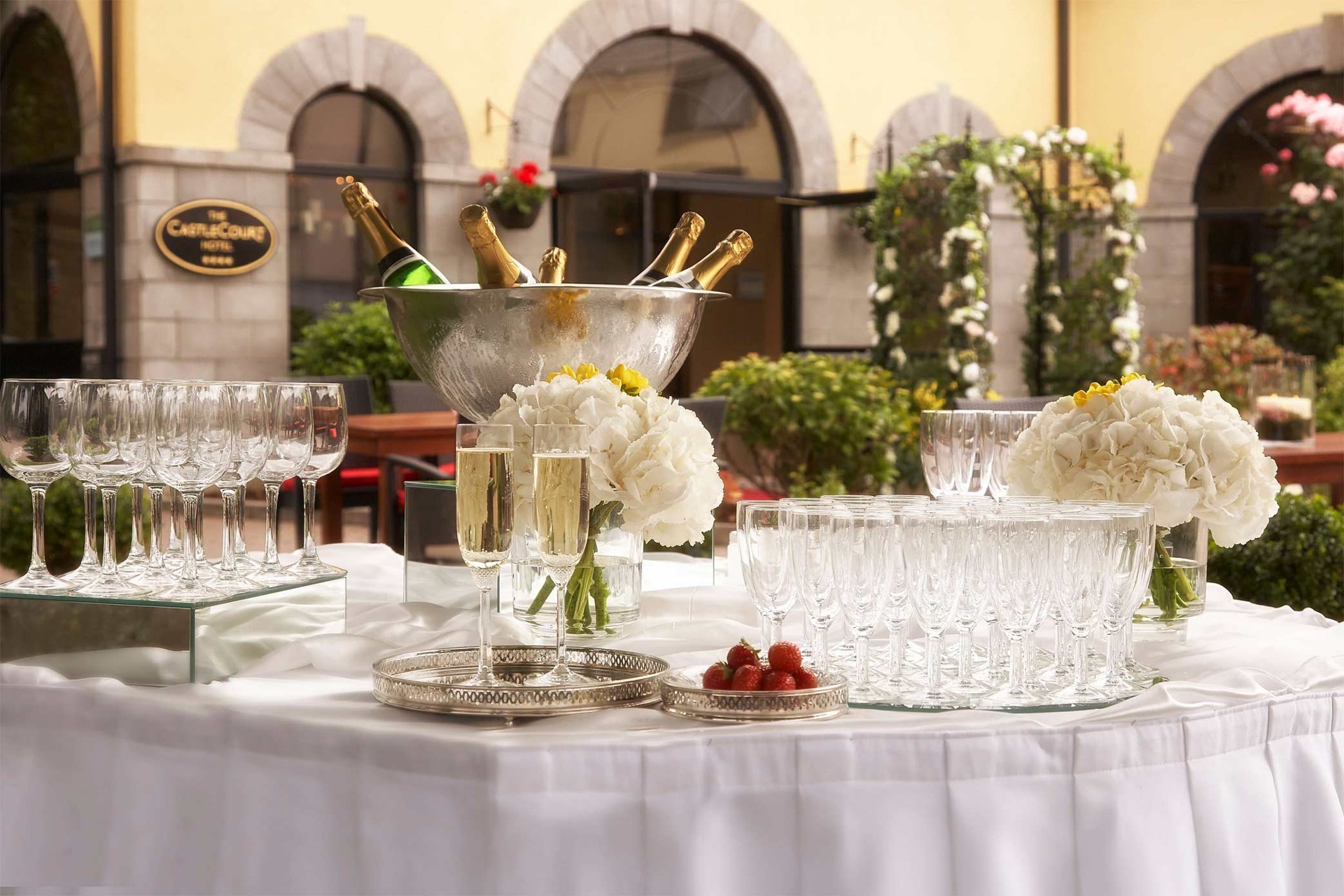
Westport, Co. Mayo
A wedding-hospitality setting in Westport, placing celebrations within a town economy of accommodation, dining, transport and local services.
Image: Castlecourt Hotel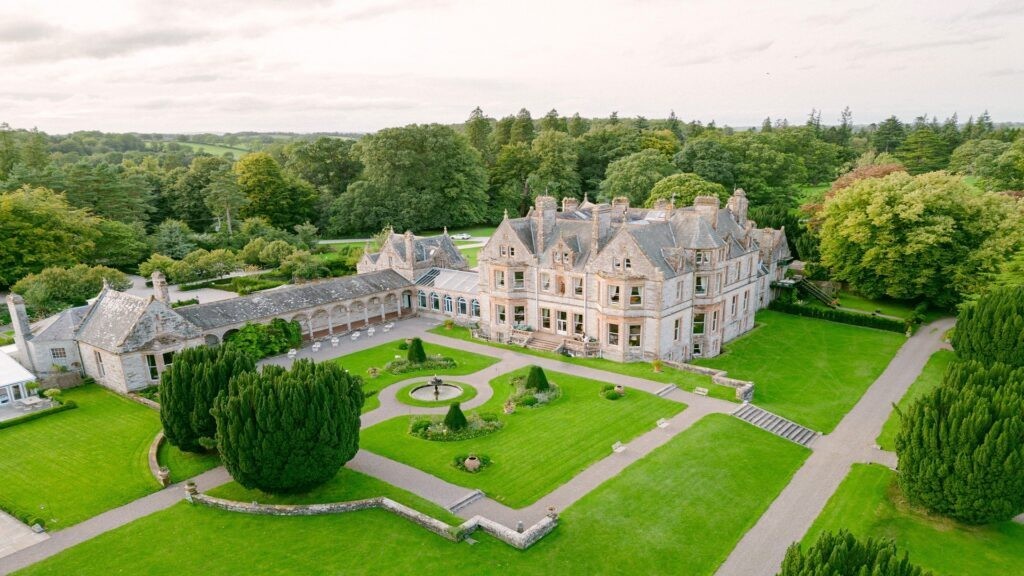
Glaslough, Co. Monaghan
A historic estate in Glaslough showing how destination celebrations can connect guests with a rural location and its surrounding businesses.
Image: Castle Leslie Estate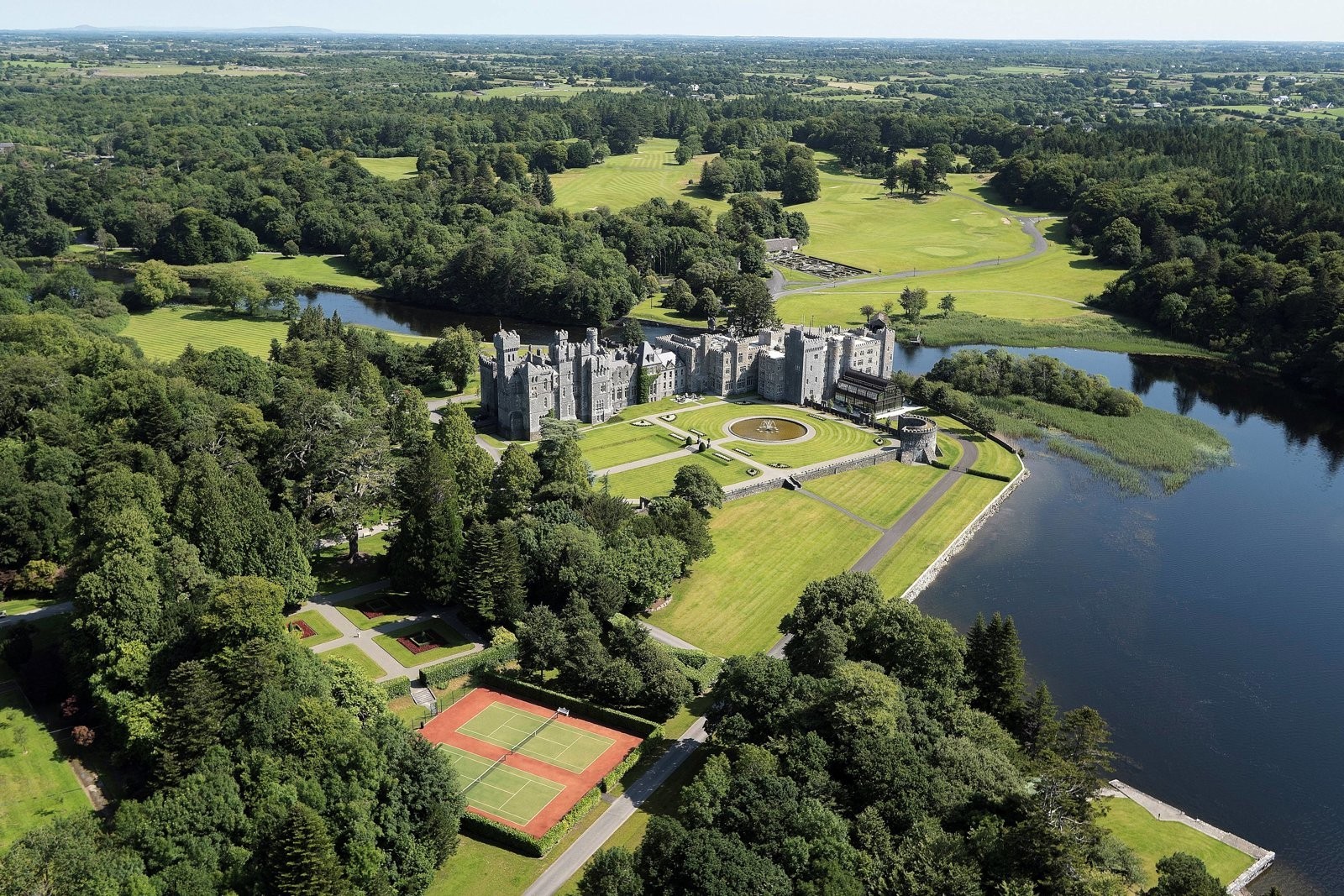
Cong, Co. Mayo
A castle and lakeside setting in Cong, illustrating the relationship between distinctive Irish places, hospitality and international visitor experiences.
Image: Ashford CastleThe policy agenda
A credible programme should connect wedding professionals with tourism development, workforce skills, regional enterprise and responsible visitor management.
IWIF supports evidence-led discussion with tourism bodies, policymakers and industry stakeholders. No affiliation with these organisations is claimed.
Record overseas couples, visitor origins, guest nights and attributable expenditure.
Understand procurement, supplier access, workforce needs and revenue retained locally.
Track location and month, alongside capacity, displacement and environmental considerations.
Promote clear agreements, professional communication and coordinated delivery.
Research foundations
IWIF’s proposed destination-wedding research should distinguish direct spending from wider effects, separate inbound weddings from domestic celebrations, and avoid counting the same revenue more than once. Any future national estimate should publish its definitions, sample, reference period and limitations.
Official foreign-visitor statistics; not destination-wedding statistics.
Wider tourism research and context; not an estimate of wedding impact.
Destination weddings within international tourism development.
Contribute to the conversation
Venues, suppliers, researchers and tourism stakeholders can contribute evidence and experience to the federation’s developing work.